

☀️ Top Uses of Solar Power: Transforming Energy, Empowering Lives
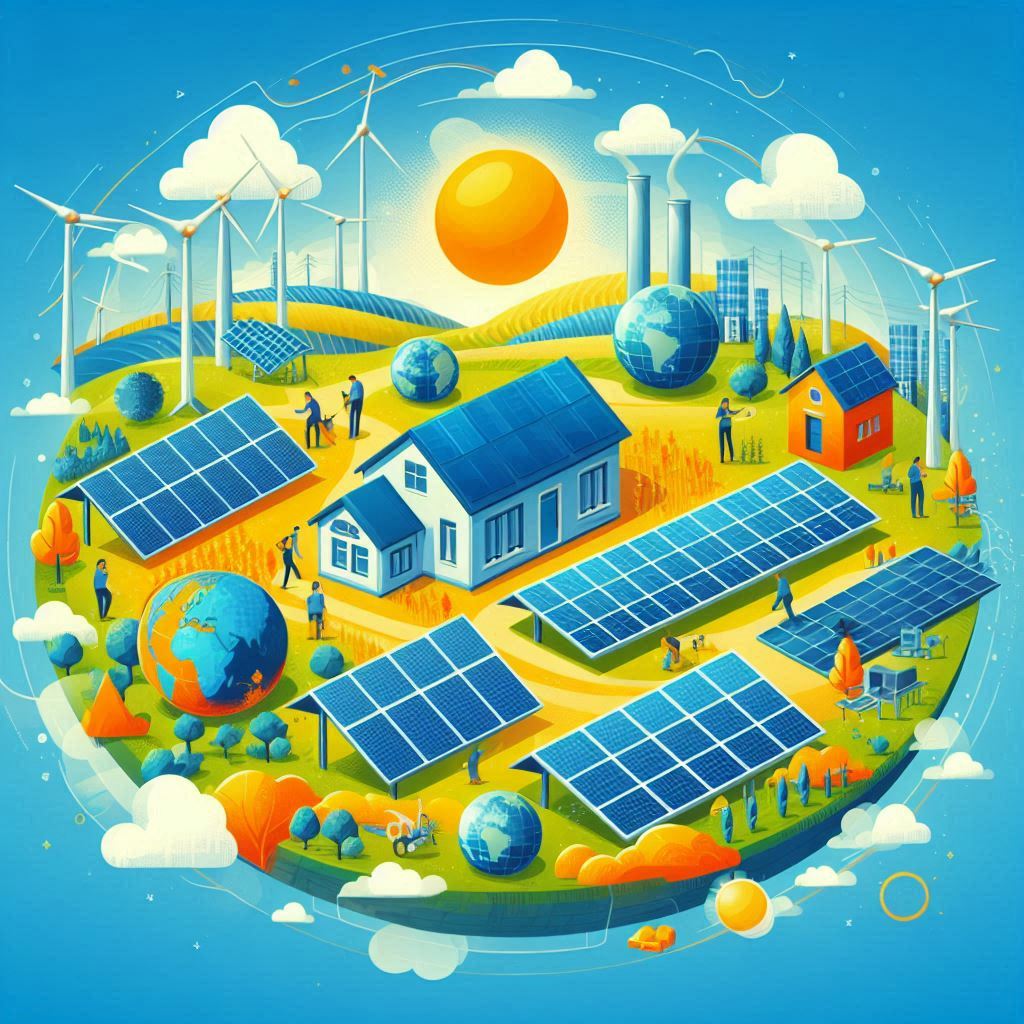
Solar power is no longer a futuristic concept — it’s a present-day solution reshaping how we generate and consume energy. As the world pivots toward sustainability, understanding the top uses of solar power is essential for homeowners, entrepreneurs, educators, and policymakers alike. This guide explores the most impactful applications of solar energy, from residential rooftops to remote infrastructure, and reveals how solar is driving innovation across industries.

🏠 1. Residential Electricity Generation
The most familiar use of solar power is home electricity generation. Rooftop solar panels convert sunlight into electricity using photovoltaic (PV) cells, allowing homeowners to power lights, appliances, and electronics while reducing reliance on the grid.
Benefits:
- Lower utility bills
- Energy independence
- Increased property value
- Access to net metering and tax incentives
Modern systems often include battery storage (like Tesla Powerwall or Enphase IQ Battery), enabling homes to store excess energy for nighttime use or during outages.
🏢 2. Commercial and Industrial Energy Supply
Businesses are increasingly adopting solar to cut costs and meet sustainability goals. Warehouses, factories, and office buildings install large-scale solar arrays to offset energy-intensive operations.
Applications:
- Powering HVAC systems
- Running machinery and lighting
- Supporting data centers and server farms
- Charging electric vehicle fleets
Solar installations also help companies meet ESG benchmarks and qualify for green certifications, enhancing brand reputation.
🚜 3. Agricultural and Farming Applications
Solar power is transforming agriculture by enabling off-grid irrigation, greenhouse heating, and livestock watering systems. Farmers use solar to run pumps, sensors, and climate control systems — especially in remote areas with limited grid access.
Examples:
- Solar-powered drip irrigation
- Electric fencing and lighting
- Climate-controlled poultry houses
- Solar dryers for crops and herbs
These solutions reduce fuel costs, improve yields, and support sustainable farming practices.
🚗 4. Transportation and Mobility
Solar energy is making waves in transportation, from solar-powered EV charging stations to experimental solar vehicles.
Innovations:
- Solar carports and charging hubs
- Solar buses and trains (e.g., India’s solar-powered trains)
- Solar-assisted marine vessels
- Integration with autonomous delivery drones
While fully solar-powered cars are still emerging, hybrid systems and solar integration into infrastructure are already reducing emissions and grid strain.
💧 5. Water Heating and Purification
Solar thermal systems use sunlight to heat water for residential, commercial, and industrial use. These systems are especially popular in sunny regions and can reduce water heating costs by up to 80%.
Applications:
- Domestic hot water systems
- Pool heating
- Industrial process heating
- Solar desalination and purification units
Solar water purification is a game-changer for rural and disaster-stricken areas, providing clean drinking water without electricity.
🌐 6. Off-Grid and Remote Power Solutions
One of the most transformative uses of solar power is in off-grid electrification. Solar microgrids and standalone systems bring electricity to remote villages, refugee camps, and mobile clinics.
Use Cases:
- Lighting and refrigeration in rural homes
- Powering schools and health centers
- Emergency response units
- Satellite communication and weather stations
These systems improve quality of life, support education, and enable economic development in underserved regions.
🏙️ 7. Urban Infrastructure and Smart Cities
Cities are integrating solar into infrastructure to reduce emissions and improve resilience.
Examples:
- Solar-powered streetlights and traffic signals
- Solar benches and bus shelters with charging ports
- Building-integrated photovoltaics (BIPV)
- Solar-powered surveillance and emergency systems
Smart cities use solar to power IoT devices, reduce grid load, and enhance public safety.
🎒 8. Personal and Portable Devices
Solar power has gone mobile. From backpacks to phone chargers, portable solar devices offer convenience and sustainability.
Popular Products:
- Solar lanterns and flashlights
- Solar-powered radios and speakers
- Wearable solar chargers
- Camping and hiking gear
These tools are essential for outdoor enthusiasts, travelers, and emergency kits.
🧪 9. Scientific Research and Space Exploration
Solar energy powers satellites, space stations, and remote research facilities.
Applications:
- Solar arrays on the International Space Station (ISS)
- Mars rovers and lunar missions
- Arctic and Antarctic research stations
- Autonomous ocean buoys and drones
Solar’s reliability and low maintenance make it ideal for extreme environments and long-duration missions.
🏥 10. Emergency and Disaster Relief
In crisis zones, solar power provides life-saving energy for medical equipment, communication, and shelter.
Use Cases:
- Mobile solar clinics
- Solar-powered vaccine refrigerators
- Emergency lighting and water purification
- Rapid-deploy solar tents and shelters
Organizations like UNICEF and the Red Cross use solar to support disaster response and humanitarian aid.
🔮 Emerging and Innovative Applications
Solar power continues to evolve with cutting-edge technologies:
- Solar windows and transparent panels for buildings
- Floating solar farms on reservoirs and lakes
- Solar-powered hydrogen production for clean fuel
- Agrivoltaics: combining solar panels with crop cultivation
- Solar textiles: fabrics that generate electricity
These innovations promise to expand solar’s reach and efficiency, making it integral to future energy systems.
📊 Summary Table: Top Uses of Solar Power
| Sector | Application | Impact |
|---|---|---|
| Residential | Rooftop electricity, water heating | Lower bills, energy independence |
| Commercial/Industrial | Large-scale power, EV charging | Cost savings, sustainability |
| Agriculture | Irrigation, drying, and climate control | Higher yields, off-grid capability |
| Transportation | Charging stations, solar vehicles | Reduced emissions |
| Water Systems | Heating, desalination, purification | Clean water access |
| Remote Areas | Microgrids, mobile clinics | Electrification, improved health |
| Urban Infrastructure | Smart lighting, solar buildings | Greener cities |
| Personal Devices | Chargers, lanterns, wearables | Convenience, emergency readiness |
| Scientific Research | Space missions, polar stations | Reliable power in harsh conditions |
| Disaster Relief | Medical support, shelters | Life-saving energy access |
🌞 Final Thoughts: Solar Power as a Lifestyle, Not Just a Technology
Solar power is more than a clean energy source — it’s a catalyst for innovation, equity, and resilience. Whether you’re installing panels on your roof, exploring agrivoltaics, or designing smart cities, the top uses of solar power offer endless opportunities to build a better future.
If you’d like a follow-up post comparing solar technologies or a downloadable guide for homeowners, I’d be happy to help. Let’s keep the sun at the center of the conversation.
